Phone:
(853) 6325-0984
Email Address:
t58609983@gmail.com

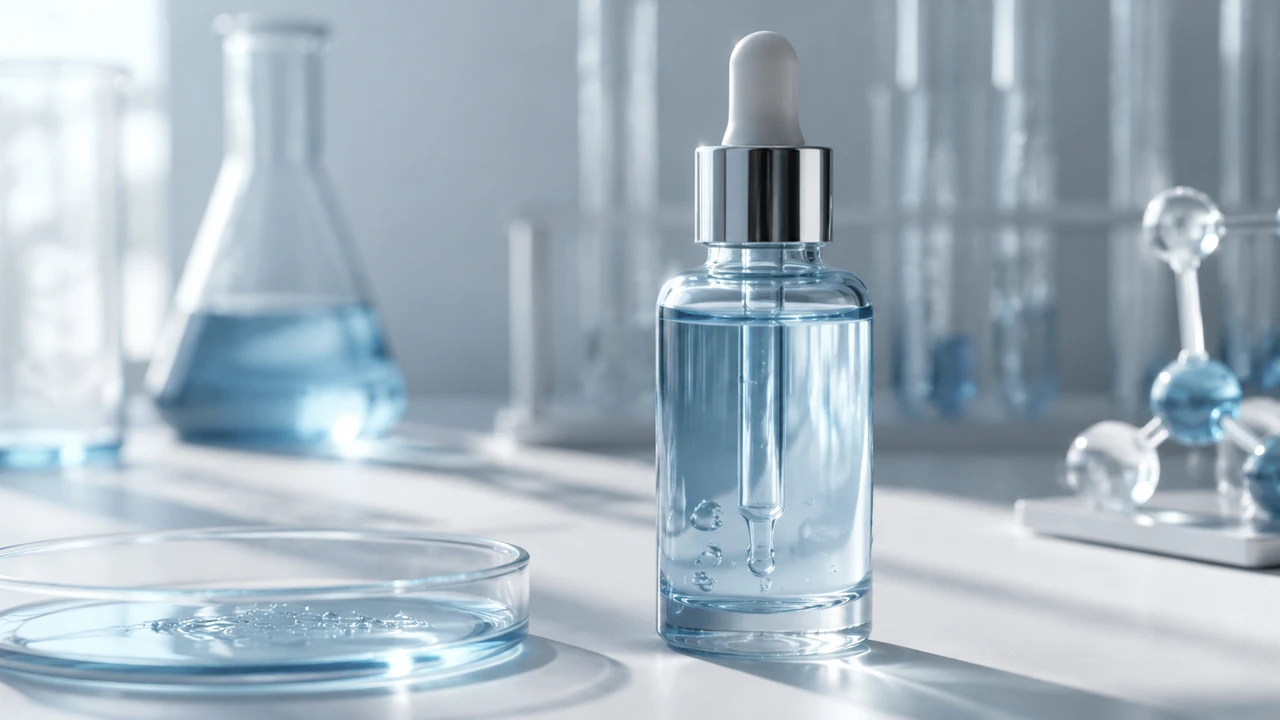
Copper peptides are one of the few skincare ingredients where the marketing language and the mechanistic literature actually overlap, which is why GHK-Cu keeps resurfacing in ingredient conversations rather than fading like most trend actives. The molecule is a short tripeptide of glycine, histidine, and lysine bound to a copper ion, and that binding is the point: it gives the skin a signaling peptide and a delivered mineral in the same package. What separates a serum that performs from one that sits inertly on the skin, though, has less to do with the peptide's reputation and more to do with purity, pH, packaging, and how the product is used.
Copper is a required cofactor for several enzymes involved in building and cross-linking the dermal matrix, but free copper ions are not something you want loose in a formula or on the skin. GHK-Cu resolves that tension by holding copper in a bound, bioavailable form that can cross into cells, so the peptide contributes both the instruction to build more matrix and the raw cofactor that instruction depends on. Ingredient reviews of collagen-stimulating peptides consistently draw this distinction between GHK-Cu and pure signal peptides such as the Matrixyl family, which send a synthesis signal without carrying a mineral along with it.
Once inside, the effect looks less like a single switch and more like a shift in the fibroblast's working program. The peer-reviewed review of GHK's actions in light of gene expression data reports increased synthesis of collagen, elastin, and glycosaminoglycans, alongside support for overall dermal fibroblast function and stimulation of blood vessel and nerve outgrowth. Research summaries of the peptide also describe modulation of gene expression tied to skin repair, antioxidant activity, and effects on matrix metalloproteinases, the enzymes that break matrix down. That last piece matters for anti-aging positioning: influencing both the building and the degrading side of remodeling is a different proposition than simply pushing synthesis upward. If you want to read the mechanistic case in its original form, the gene-data review is available through PubMed Central.
There is also a plausible reason the ingredient is framed as replacement rather than stimulation. Reviews note that endogenous GHK-Cu levels decline with age, which is the observation that pushed research interest toward both topical products and investigational injectable formulations. For cosmetic purposes, only the topical route is relevant, and injectable research should not be read as evidence for what a serum will do on your face.
The 2026 material is mostly consolidation rather than revelation. Evidence-based reviews published this year revisit benefits, mechanisms, and safety together, which is a useful sign that the conversation has moved past whether the mechanism exists and toward how reliably it can be reproduced in a finished product. A 2026 study in Procedia of Multidisciplinary Research examined the efficacy of a 2% GHK-Cu serum, which gives formulators a published reference point for the concentration range being tested clinically rather than only in supplier literature.
The more practical takeaway from this year's reviews is a caveat: the mechanism is well documented and mechanistically sound, but efficacy depends on formulation quality and penetration. That framing should change how you evaluate products. A label that lists GHK-Cu tells you almost nothing on its own, because the same molecule in a poorly buffered, over-chelated, or badly packaged base is not the same active by the time it reaches the skin.
Most GHK-Cu on the market is sold as a lyophilized powder, and supplier listings tend to compete on purity specifications, third-party testing, and certificate of analysis availability, with figures such as ≥98% purity used as a headline claim. Those documents are worth requesting and reading rather than trusting as a marketing line, and it is important to note that much of the powder sold this way is labeled research grade, which is a different category from material intended and documented for cosmetic use. For a product going onto consumers' skin, the sourcing question is not only how pure the peptide is but whether the supply chain is documented for topical cosmetic application.
When comparing suppliers, the documentation is where the real differences show up:
Stability is the recognized pain point in cosmetic R&D work with copper peptides, and it stems directly from what makes the ingredient work. The copper is held in a complex, so anything in the formula that competes for that copper or shifts the surrounding chemistry can quietly take the active apart. Chelating agents used routinely for preservation and stability are a common culprit, and so are ingredients that alter redox conditions or push the formula outside the pH window where the complex stays bound.
The workable strategies follow from that. Keep the aqueous phase in the pH range where the complex is stable and buffer it properly instead of relying on the peptide to tolerate drift. Reconsider standard chelator use rather than including it by default. Where compatibility with an aggressive co-active cannot be resolved, separate the incompatibility into a two-part or powder-plus-activator system, or keep the peptide in a simpler base and let the customer layer the other active at a different time. Packaging deserves the same attention: airless or opaque containers limit exposure to light and air across the product's life, not just at the moment of filling. During stability testing, the characteristic blue color of the complex is a useful informal early indicator; a color drift is worth investigating before the analytical data confirms a problem.
For daily use, the goal is simply to get an intact complex onto skin and then leave it undisturbed. Apply the serum to clean skin before heavier creams, and follow with a moisturizer that slows evaporation so the peptide stays in contact rather than drying down and flaking off. If your routine already includes strong acids, high-strength direct antioxidants, or aggressive exfoliants, put them in a different session — morning versus evening, or alternating nights — instead of layering them wet-on-wet with the peptide. That separation costs nothing and removes the most likely reason a well-formulated product underperforms.
Expectations should track the biology. The reported effects run through fibroblast activity and matrix synthesis, which are slow processes, so consistent use across weeks and months is the relevant timescale, not days. Introduce one new active at a time so that if irritation appears you know its source, and patch test first, particularly if you are already using multiple actives. Judge results on texture, firmness, and how skin recovers rather than on immediate changes, and treat any product promising rapid visible remodeling with skepticism regardless of how good the peptide inside it is.